News
-
The Benefits of Indoor Plants in Classrooms: Celebrating Teachers’ Day with Nature’s Touch Monday, 05 October 2026
-
plants@work congratulates Ian Drummond on another accolade Wednesday, 30 September 2026
-
Celebrating Our Industry, Inspiring Its Future, Leaf Awards Conference, 8 October 2026 Tuesday, 22 September 2026
-
Don’t panic, stay calm – it’s 100 days to Christmas! Wednesday, 16 September 2026
plants@work
2004 Winner - Sheffield's Winter Garden: A Landmark Temperate Glasshouse Bringing Nature to the City
As part of the 20th anniversary of the Leaf Awards, plants@work is proud to celebrate the remarkable achievements of our industry by showcasing the winners of the “Best Projects of the Year”, here is the remarkable project for the public space:
Sheffield Winter Gardens
2024 Gold Leaf Award
Design and Installation
Rentokil Tropical Plants- now Ambius

The Winter Garden in Sheffield opened in December 2002 and stands as one of the largest temperate glasshouses in the UK. Constructed from glass and timber, it provides an impressive, publicly accessible space that serves as a distinctive landmark in Sheffield City Centre. The 70m long and 21m high curved structure primarily houses plant species from the southern hemisphere.
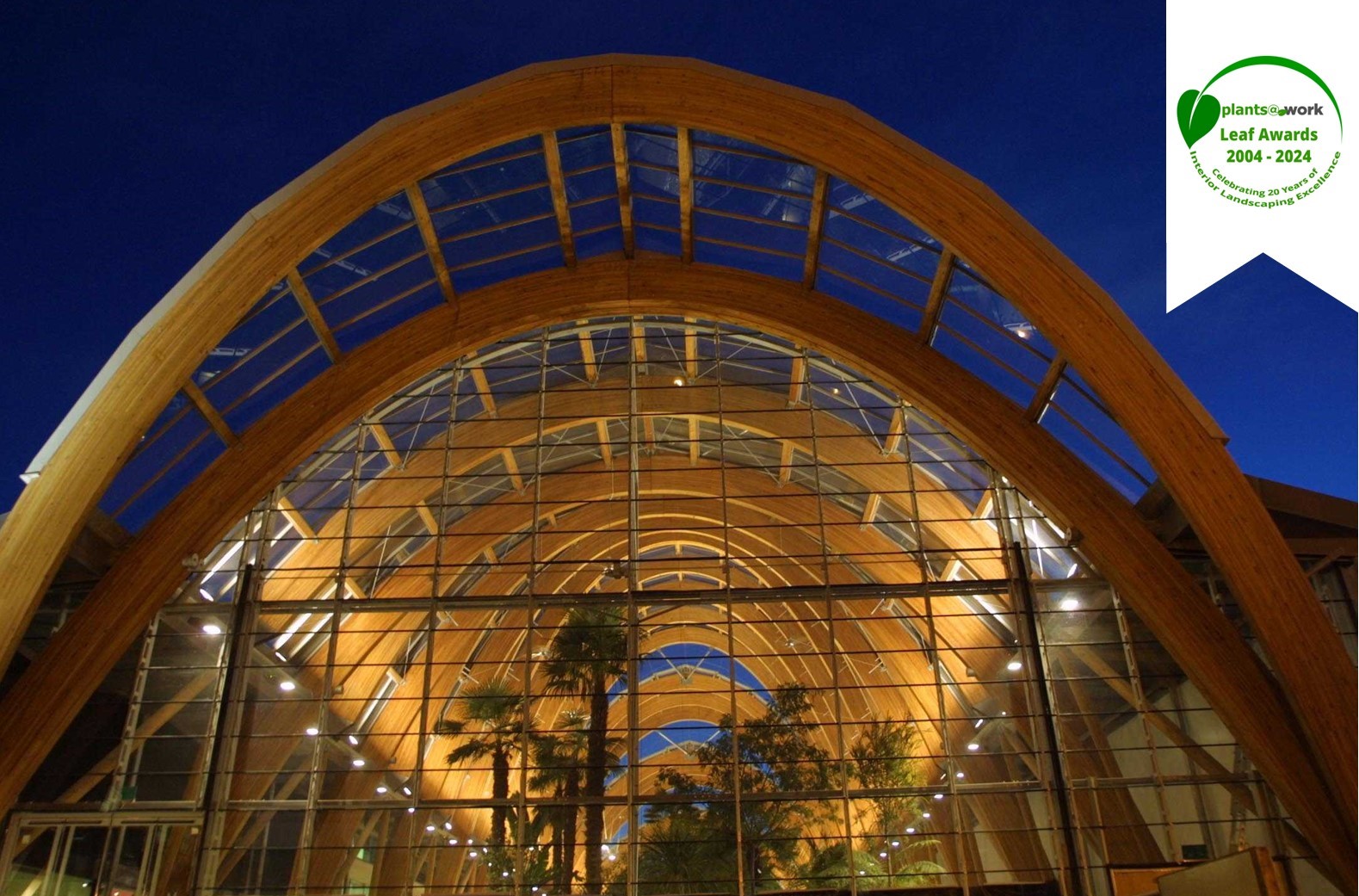
Sheffield's Winter Garden was designed as a "cool" house, rather than a sub-tropical one, with plants that bloom during shorter daylight hours to provide colour in winter and early spring. The plant layout focused on grouping species from similar habitats, considering factors such as drought tolerance, shade tolerance, height, and overall dimensions.
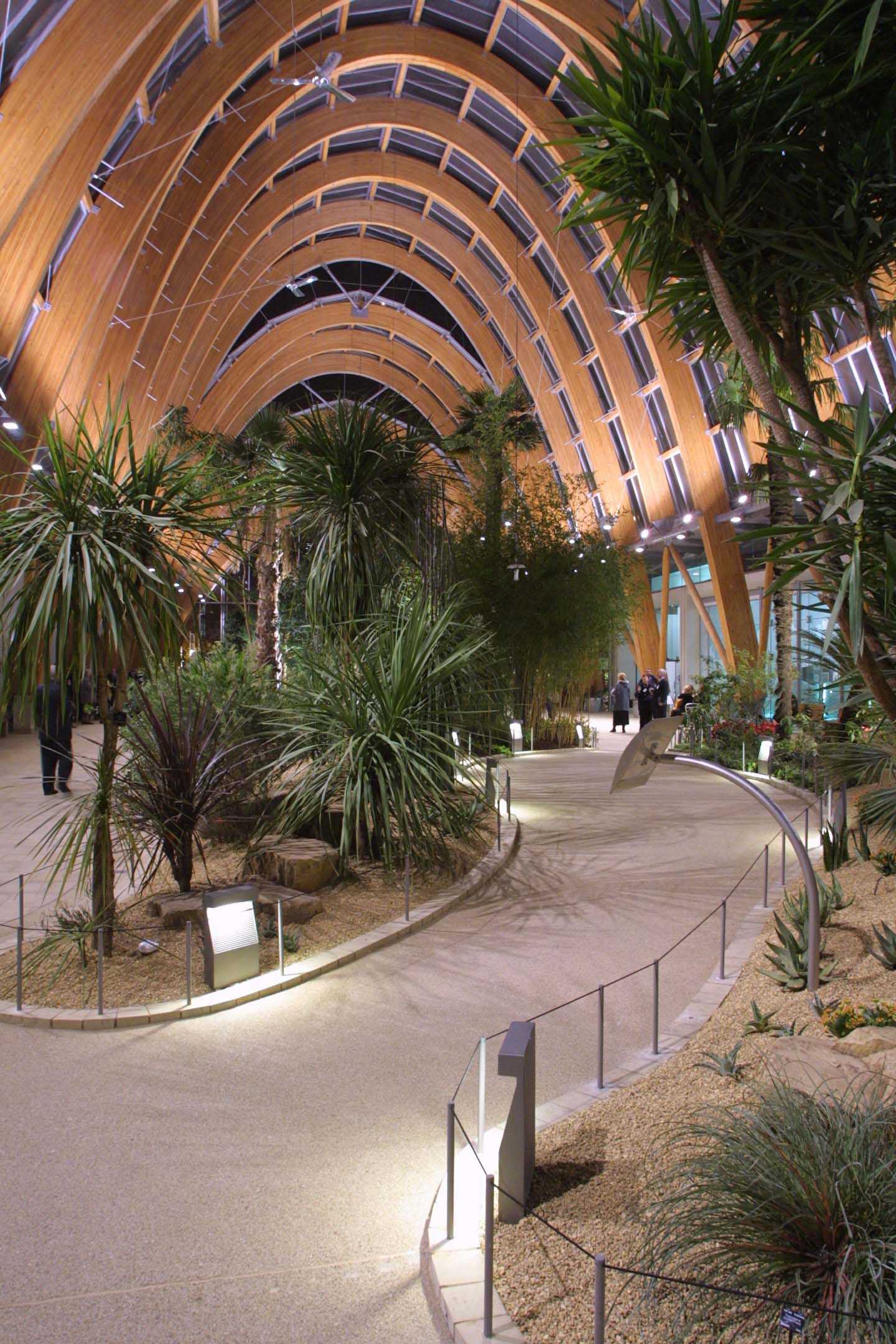
Rentokil Tropical Plants became involved in the project in 1997 when project manager Paul Sturgess advised on plant selection, environmental considerations, and preliminary costs. Working closely with Weddell Design, the landscape architects, plant sourcing began in early 2001. Specimens such as Trachycarpus palms, Trithrinax, Phormium, Cordyline, and Eucalyptus were sourced from nurseries across Europe and acclimatized to conditions similar to those in the Winter Garden.
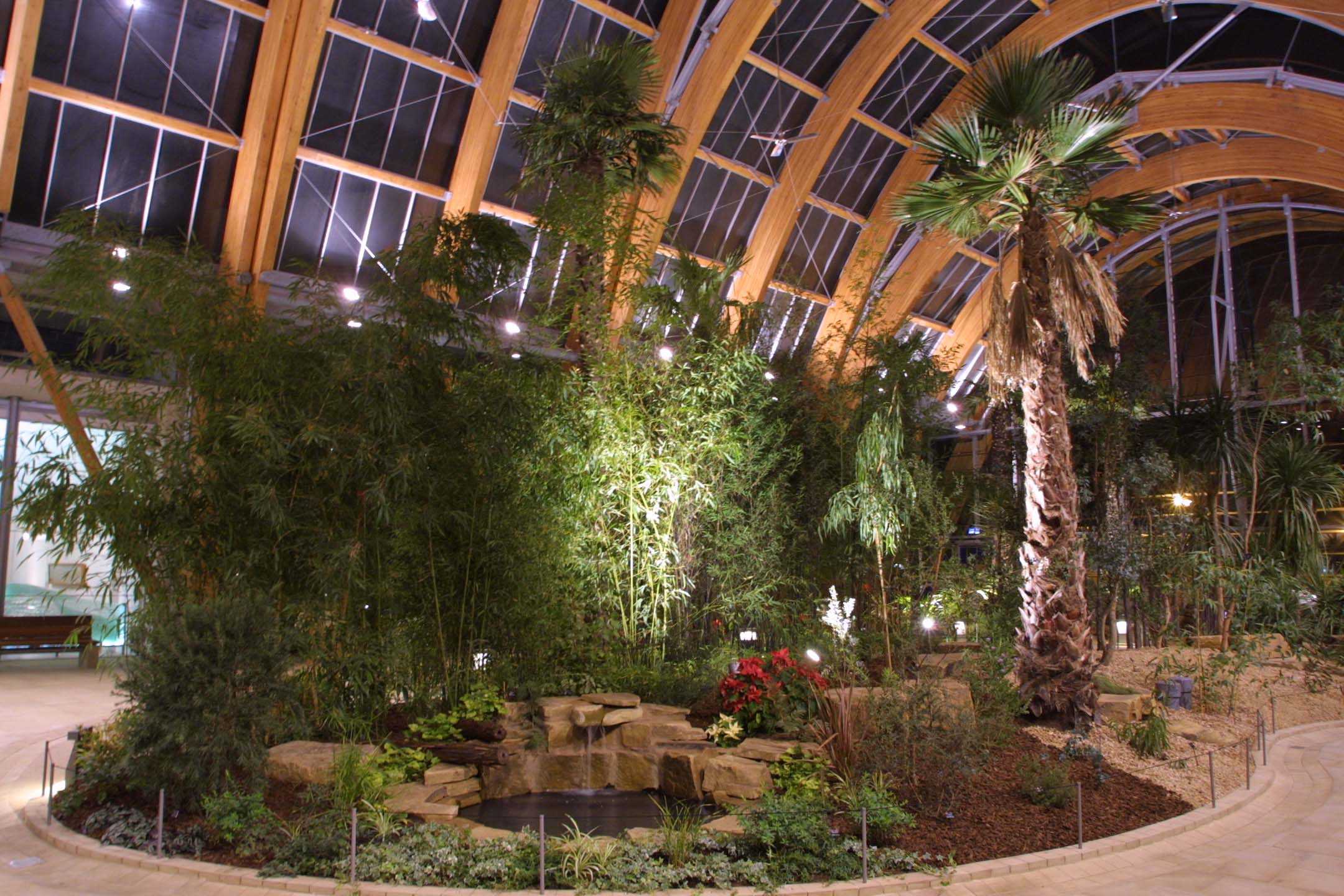
The installation, completed in three stages, took over two months. Large specimens like the Trachycarpus and Washingtonia palms were planted first, followed by the rest of the plants and ground cover. In total, 2,000 plants from 150 different species were installed, using approximately 400 tons of soil and 50 tons of rocks for top dressing.