








Welcome to plants@work
- Industry Representation
- Great Business Opportunities
- Fantastic Training Programme
- Networking




Who We Are
News
-
Gold Leaf Award Winner: Urban Planters – Garrett Support Services Ltd Friday, 30 October 2026
-
Gold Leaf Award Winner: Ambius - Reckitt Benckiser, Stockley Park Wednesday, 28 October 2026
-
Gold Leaf Award Winner: phs Greenleaf – Hartpury University & Hartpury College Libraries Thursday, 22 October 2026
-
Gold Leaf Award 2026: Mitie Landscapes Ltd - Standard Life, Birmingham Wednesday, 21 October 2026
Nature Preserved: a free, independent guide to preserved plants
When Edgardo Rossi spoke at our Silver Jubilee Conference in Chobham on 8 October, one question kept coming up afterwards: how do you make the right decisions about preserved plants?
Edgardo's answer is refreshingly straightforward: start with knowledge, not products.
He is an independent consultant specialising in preserved plants. He does not sell plants, backing materials or products, and does not receive commission from producers or suppliers. Instead, he helps designers, project teams, and interior landscapers understand where preserved plants work, where they do not, and what to consider before they become part of a project.
Now, much of that knowledge is available free of charge.
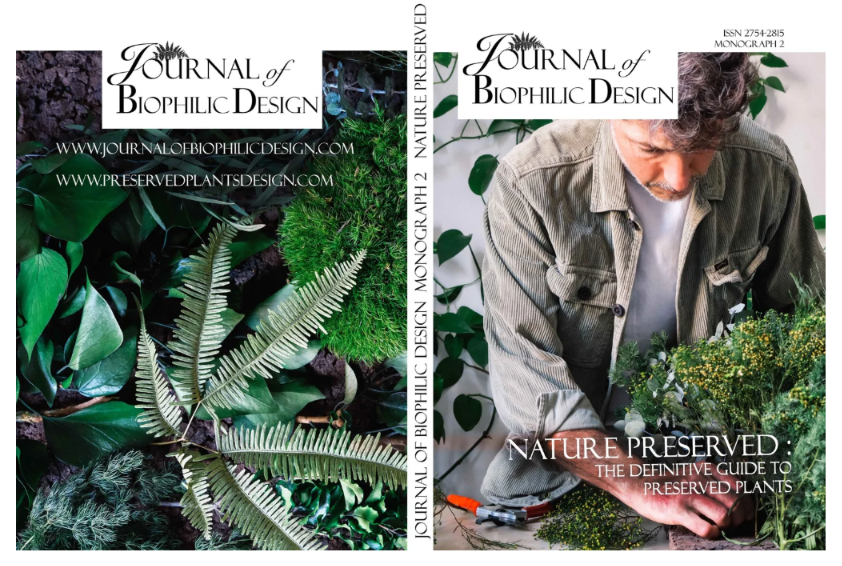
A practical guide to preserved plants
Edgardo's book, Nature Preserved: The Definitive Guide to Preserved Plants, was published on 21 September by the Journal of Biophilic Design, with a foreword by Dr Vanessa Champion. The digital edition is available to download free of charge from the Journal's website.
At plants@work, we think it is particularly useful because it approaches preserved planting from a practical perspective: what to specify, what to expect, what can go wrong, and what clients need to know before a project begins.
It is not a catalogue of products or a guide to a particular supplier. Instead, it provides a useful independent reference for anyone working with preserved plants.

Image: Barbara Santoro. Architecture: Studio Bozzini. Courtesy of voco Milan-Fiere, HNH Hospitality
Who is it for?
The book is useful for anyone involved in deciding, designing, installing or managing preserved planting – from architects and interior designers to project teams, interior landscapers and maintenance professionals.
It is equally useful for those who specify preserved plants and those who are asked to deliver and look after them.
What does the guide cover?
The 16 chapters take the reader from the basics of preserved plants through to the practical decisions that can determine whether an installation still looks good years later.
Among the questions it explores:
• When should preserved plants be used – and when shouldn't they? Living plants remain the first choice where conditions allow them. Preserved plants can offer an alternative where they do not.
• What exactly are preserved plants? How they are produced, and the main categories: moss, foliage, flowers and lichen.
• Where can they be installed? How light, humidity, temperature and location can affect performance and longevity.
• What does “maintenance-free” really mean? What normal ageing looks like, what care may be required, and when refreshing or replacement becomes necessary.
• What can go wrong? The guide looks at common problems including smell, insects, fading, dryness and colour transfer – and, importantly, how to discuss these with clients before they become problems.
• What about fire and acoustic performance? Why these properties need to be considered in relation to the complete installation rather than an individual material.
• What happens at the end of a project's life? Looking beyond the initial cost to servicing, longevity and eventual replacement.
The guide also includes three case studies from projects in Milan and Lugano, showing how these principles translate into real installations and the decisions behind them.
One point every interior landscaper should hear: Preserved does not mean maintenance-free.
Preserved plants can last for years in the right conditions, but they are not immune to their environment. Location, temperature, humidity, light, handling and the quality of the original installation can all affect their appearance and longevity.
As Edgardo puts it: “Selection comes first. And the client should hear what the plants need on the first day, not when a problem appears.”
That is perhaps the most useful message in the whole guide: good preserved planting starts with choosing the right solution for the space and setting the right expectations from the beginning.

Image: Bruno Galizzi. Architecture: Rizoma Architetture. Courtesy of Hotel Lugano Dante SA
Want to take it further?
The book is only the starting point.
Following his presentation at the plants@work Silver Jubilee Conference, Edgardo will be delivering an online training course for plants@work members looking at preserved plants in much greater practical detail.
The course, Preserved Plants: The Honest Answer, is designed specifically for the interior landscaping industry. It follows a preserved-plant project from the first conversation with the client through to the realities of installation, care, and what happens in years two and three.
It will look at the questions that come up in real projects: when preserved plants are the right solution, what to specify, what to promise the client, what can go wrong, how to approach maintenance and how to make better decisions before a project begins.
The course is intended for members whether they already design and install preserved planting, buy it from specialist producers, or simply need to be confident when a client asks about it.
There will also be a free introductory session, allowing participants to meet Edgardo, understand his approach and find out what the full course will cover.
The training sessions will take place online, making them accessible to participants wherever they are based.
Book first, then take the conversation further through the plants@work training.
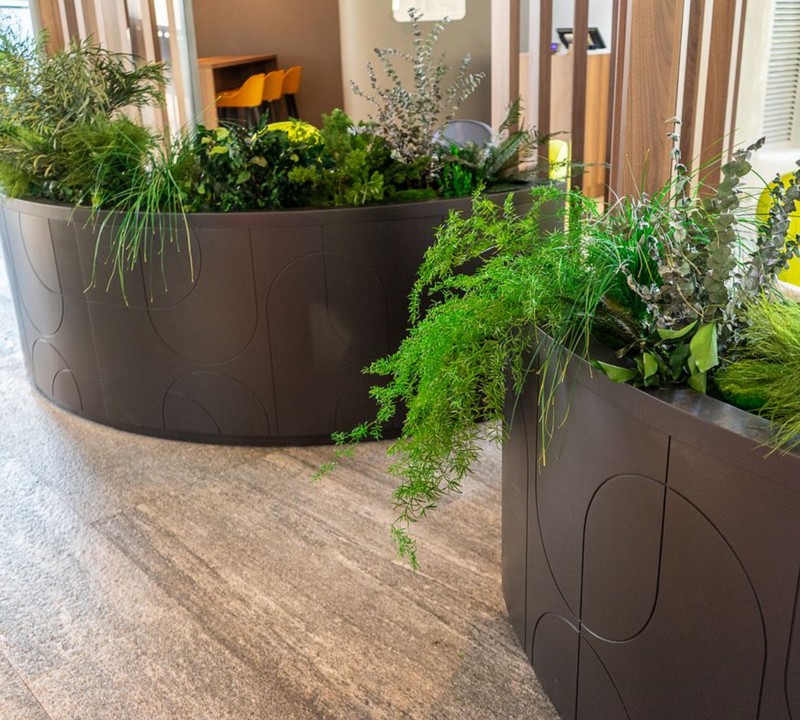
Image courtesy of Tocq Hotel Milano. Architecture: Studio Bozzini
About Edgardo Rossi
Edgardo Rossi is the founder of Preserved Plants Design. Born in Argentina and based in Italy, he works across biophilic design and the preserved-plants industry, helping designers, project teams and interior landscapers understand how preserved plants can be used responsibly and effectively.
He is the author of Nature Preserved: The Definitive Guide to Preserved Plants and an independent voice in the preserved-plants sector.
Read the guide
If preserved plants are part of your work – or if clients are increasingly asking about them – Nature Preserved is worth adding to your reference library.
The digital edition is free to download from the Journal of Biophilic Design.
And if you want to go beyond the book, take a look at the details of the forthcoming plants@work training plants@work training: Preserved Plants: The Honest Answer online training course and the free introductory session.
- Tags: #BiophilicDesign, #JournalOfBiophilicDesign, Edgardo Rossi, Interior landscaping, Nature Preserved: The Definitive Guide to Preserved Plants, Preserved Plants